
In the rapidly evolving landscape of 2026, the feasibility of large-scale renewable projects rests largely on the efficiency of the supply chain. For engineering, procurement, and construction (EPC) firms, the procurement of commercial and industrial energy storage is no longer just a technical selection; it is a financial strategy. As global demand for decentralized power grows, shifting toward direct-from-manufacturer sourcing channels allows businesses to capture significant cost efficiencies while ensuring long-term project stability. Partnering directly with an established entity like Sunway Solar provides developers with a clear pathway to securing high-capacity infrastructure while navigating the complexities of international logistics and bulk procurement.
The Strategic Advantage of Direct Wholesale Procurement
Procuring high-value infrastructure through intermediaries often adds layers of administrative cost and logistical friction that can erode project margins. For firms overseeing multiple megawatt-scale deployments, the ability to source directly from a manufacturer creates a streamlined procurement pipeline. When developers engage in wholesale solar panels or battery cabinets, they are not only purchasing hardware; they are establishing a relationship with the entity that dictates design, manufacturing standards, and post-installation support.
The primary benefit of this direct model is the ability to influence technical specifications early in the development cycle. Manufacturers with strong original design and manufacturing capabilities, such as the teams at Sunway Solar, provide the flexibility to align hardware configurations with specific regional grid mandates. Whether a project requires bespoke environmental shielding, specialized fire suppression integration, or custom communication protocols, direct communication with the source ensures that the delivered equipment meets the precise demands of the installation site. By bypassing secondary retail channels, companies reduce the likelihood of communication gaps and ensure that the technical vision of the engineering team is reflected in the final commissioned product.
Optimizing Infrastructure with the 100kW/215kWh Outdoor Cabinet
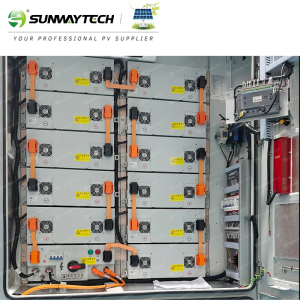
To maximize the value of wholesale investments, developers should focus on scalable, high-performance hardware that minimizes on-site complexity. A prime example of such efficiency is the 100kW/215kWh air-cooled outdoor cabinet energy storage system. Designed specifically for versatile commercial and industrial energy storage applications, this unit represents a balanced choice for facilities that require reliable load shifting and frequency regulation without the complexities associated with larger, more cumbersome multi-unit arrays.
The technical specifications of this cabinet underscore its industrial-grade pedigree. By leveraging high-density lithium-iron-phosphate (LFP) cells, the system offers a secure and predictable energy storage profile. The integration of advanced power conversion components ensures that the unit maintains high round-trip efficiency, which is critical for projects where the return on investment is tied to daily energy arbitrage. Furthermore, the air-cooled architecture provides a simplified, robust thermal management solution that is easy for site technicians to maintain, making it an ideal candidate for decentralized deployments where specialized liquid-cooling maintenance staff might not be readily available. The cabinet’s IP55 protection rating further ensures that the sensitive internal battery management systems remain shielded from the diverse environmental hazards often present in industrial outdoor settings.
Navigating Logistics and Global Supply Chain Volatility
One of the most persistent challenges for project developers in 2026 is the management of shipment lead times and the reliability of overseas delivery. Wholesale procurement models through specialized solar warehouses are designed to mitigate these exact risks. When firms source their energy storage cabinets directly from a manufacturer’s warehouse network, they benefit from a consolidated logistics framework. This includes synchronized inventory tracking and the ability to schedule large-scale shipments that align with specific construction timelines.
The logistical expertise provided by Sunway Solar extends beyond the factory floor. By managing the complexities of customs documentation and international freight, the supplier allows EPC firms to focus their resources on site preparation and system integration. This is particularly valuable when sourcing wholesale solar panels alongside energy storage, as it allows for the arrival of all major components within a unified delivery window. This “kitting” approach prevents the staggered arrival of equipment, which often leads to costly labor downtime and logistical bottlenecks on the job site. Furthermore, the assurance of a unified warranty framework across all products provides the financial certainty required by commercial stakeholders who demand long-term durability from their renewable assets.
Future-Proofing Commercial Investments
As we look toward the remainder of the decade, the ability to maintain a reliable and cost-effective energy supply will distinguish competitive industrial operations from their competitors. Procurement teams that adopt a direct, wholesale-first approach to commercial and industrial energy storage are better positioned to weather the fluctuations of the global energy market. By selecting proven, modular, and factory-tested units, businesses ensure that their infrastructure remains an asset rather than a liability.
The transition to a wholesale-focused procurement strategy requires a departure from traditional, localized buying habits. It demands a more integrated, data-driven approach where manufacturers are treated as partners in the long-term lifecycle of the project. Through consistent communication and the leverage of direct-from-warehouse distribution, project managers can secure the high-performance hardware necessary to meet current decarbonization mandates while keeping capital expenditure within target levels. Sunway Solar exemplifies this modern partnership model, providing not only the robust equipment required for high-intensity duty cycles but also the comprehensive technical guidance and documentation necessary for successful implementation. By consolidating the supply chain, companies can build energy networks that are resilient, scalable, and prepared for the increasing power demands of the modern industrial economy.