
Transparent LED arrived quietly, but it has changed the relationship between digital content and physical scenery more deeply than a simple style trend would suggest. The approved transparent stage architecture plan should be checked again during venue handover against the agreed installation, access, and safety requirements.
The development is easy to mistake for a visual fashion, although its primary causes sit in engineering and workflow. For transparent stage architecture, that choice changes design, loading, structural allowance, crew time, weather planning, and spectator sightlines.
The YES TECH range includes options for transparent stage architecture, yet no product choice should bypass venue-specific review or qualified engineering. Precise use of transparent LED screen manufacturer, transparent display technology, and creative LED display keeps the transparent stage architecture scope from mixing product, service, and market descriptions.
The scenic and video departments can sustain the intended look only through a transparent stage architecture plan that remains workable from load-in to load-out. Controlled testing helps determine whether a limitation comes from the product or the venue configuration.
Transparency Rewrites the Scenic Layer
Traditional screens occupy a clear front plane, whereas an open display allows the audience to read content and the environment behind it at the same time. This detail helps the scenic and video departments preserve both the image and the planned working sequence.
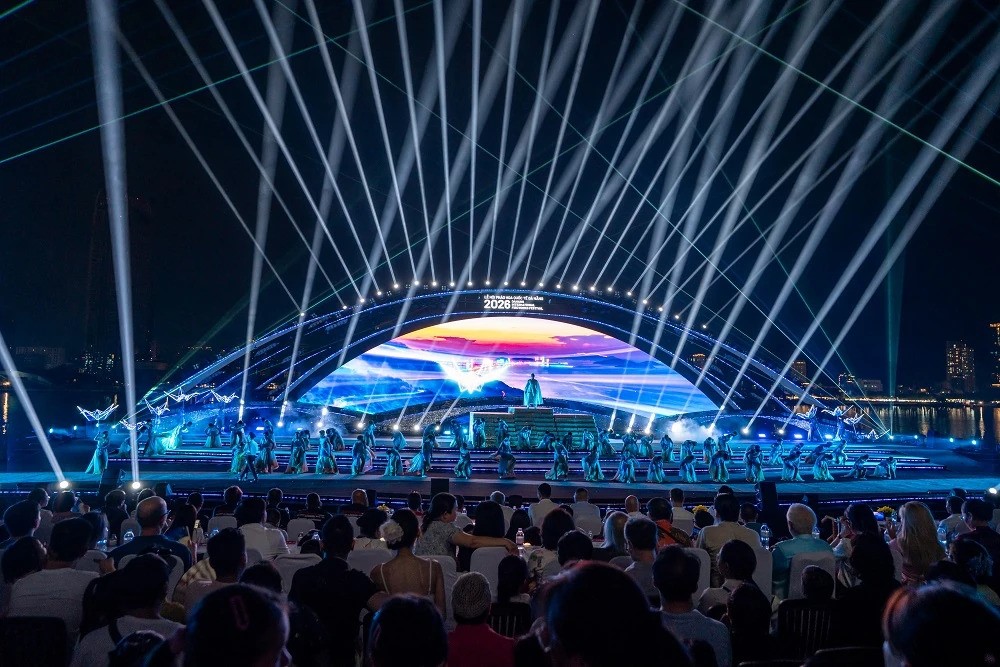
Lighting beams can cross the visible structure, performers can appear within layered images, and scenic depth can survive moments when video is active. The result is not invisibility; it is controlled permeability that gives designers another level of visual composition.
The full transparent stage architecture process reveals operational consequences that an isolated cabinet specification leaves invisible. A credible decision on transparent LED screen manufacturer depends on measured performance across the intended build and operating sequence.
A capable transparent LED screen manufacturer should consider more than the percentage of open area. Transparency creates a second visual layer, so designers must judge foreground content and the illuminated environment behind it at the same time.
When these elements work together, transparent display technology can support subtle reveals, volumetric forms, and transitions that a flat opaque surface would make difficult. Transparency also changes rehearsal priorities.
Designers need to view the real lighting and scenic materials through the screen, because reflections, backlight, and background brightness can alter contrast in ways that a content preview on an ordinary monitor cannot reproduce. Transparent display technology should be evaluated as part of a single planning process that includes image quality, crew workflow, and venue requirements.
Engineering Makes the Visual Idea Tourable
YES TECH lists the MAir Series in its rental and staging range with P5.9 and P7.8 options and a lightweight carbon-fiber cabinet concept. The open structure preserves sightlines and reduces the visual mass above the stage, while fast connections address the repetition of touring assembly.
IP65 protection, wind resistance specified up to 20 m/s, and hanging configurations up to 25 m extend the design discussion into outdoor engineering. Later transparent stage architecture crews need the same evidence in the formal handover, not only in conversation.
Creative consistency in transparent stage architecture depends on practical choices about transport, connection, control, and maintenance. A complete transparent display technology proposal should define how the system will be transported, installed, inspected, operated, and maintained.
These characteristics show why transparent display technology is a system decision rather than a decorative purchase. A production still needs professional rigging calculations, weather procedures, and inspection routines, yet hardware designed for those conditions gives the crew a clearer starting point.
The same discipline allows a creative LED display to move between venues without losing the geometry established during rehearsals. A system-level review of transparent stage architecture prevents product specifications from overlooking weaknesses elsewhere in the system. Service strategy deserves equal attention.
A touring product should allow technicians to identify a failed component, reach it safely, replace it without disturbing a large area, and restore calibration within the time available between sound check and doors.
A New Kind of Stage Architecture
Once the screen stops behaving like a solid curtain, it can participate in corners, cube-like volumes, frames, and other arrangements that reveal their own construction. Documented site test results give the scenic and video departments a firmer basis for approving the arrangement.
Video can define an edge without fully closing it, and darkness in the content can return attention to the scenery rather than leaving a visible black wall. That ability encourages creative teams to plan digital and physical elements together from the first model.
Dark content can return attention to performers and scenery, making the absence of light as deliberate as the brightest graphic cue. Project documents should connect creative LED display with three outcomes: controlled content, repeatable geometry, and correct site integration.
Rental stage LED consequently becomes part of architectural thinking: it defines boundaries, depth, rhythm, and movement through space. YES TECH provides one example of a transparent LED screen manufacturer treating weight, weather protection, touring speed, and openness as connected requirements.
The revolution lies in that connection, because the screen gains influence not by covering more of the stage but by allowing more of the stage to remain meaningful. A written link between the test result and the transparent stage architecture drawing prevents venue knowledge from disappearing with one crew.
In transparent stage architecture, a visual choice becomes an operational commitment when it alters access, maintenance, or another department’s work. The design revolution becomes sustainable when creative files, cabinet maps, rigging drawings, and inspection records travel together.
That shared information allows the visual form to be rebuilt accurately even when venue dimensions or local crews change along the route. That shared understanding helps the scenic and video departments make faster decisions when the venue or schedule changes.