Top 6 Auditorium Seating Brands in 2026 with Sustainable Manufacturing Practices
Admin
Environmental stewardship has become the cornerstone of large-scale infrastructure procurement in 2026. For architects and facility managers, selecting auditorium seating is no longer a matter of simply matching a color palette or budget; it is an exercise in evaluating complex supply chains and carbon footprints. The challenge lies in distinguishing between superficial “greenwashing” and genuine industrial sustainability. A truly eco-friendly chair involves everything from the responsible harvesting of timber and the chemical safety of upholstery to the energy efficiency of the factory itself. We have analyzed the leading manufacturers in the market based on their certifications, material transparency, and long-term durability to provide a clear guide for those prioritizing the planet alongside performance.
Following a thorough assessment of modern production methodologies, the following six companies have distinguished themselves as the leaders in eco-conscious manufacturing.
The Top 6 Sustainable Seating Manufacturers for 2026
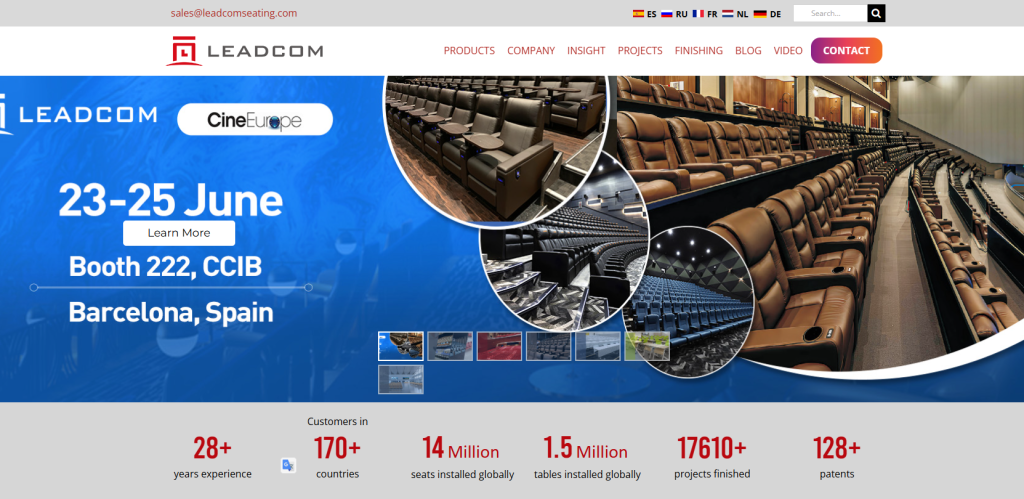
Leadcom Seating
Davis Seating
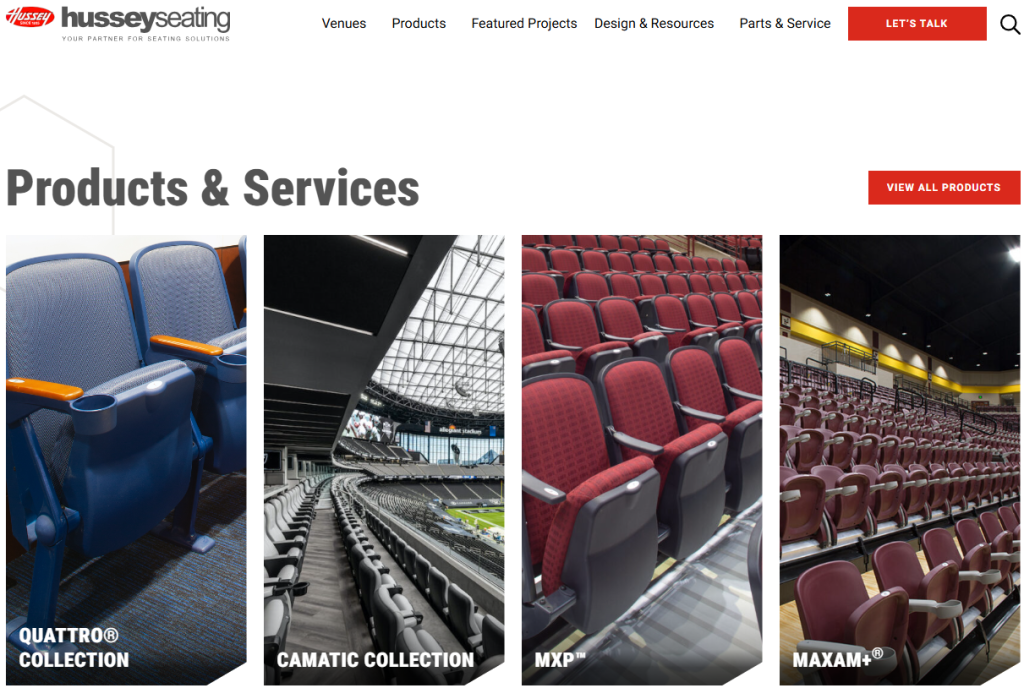
Hussey Seating
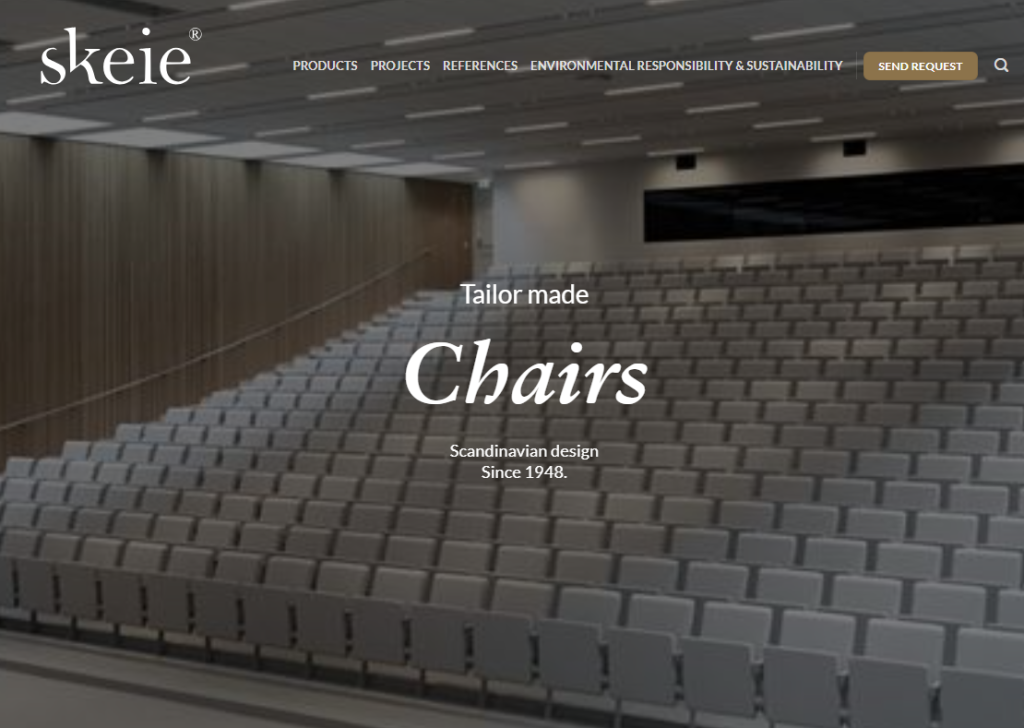
Skeie
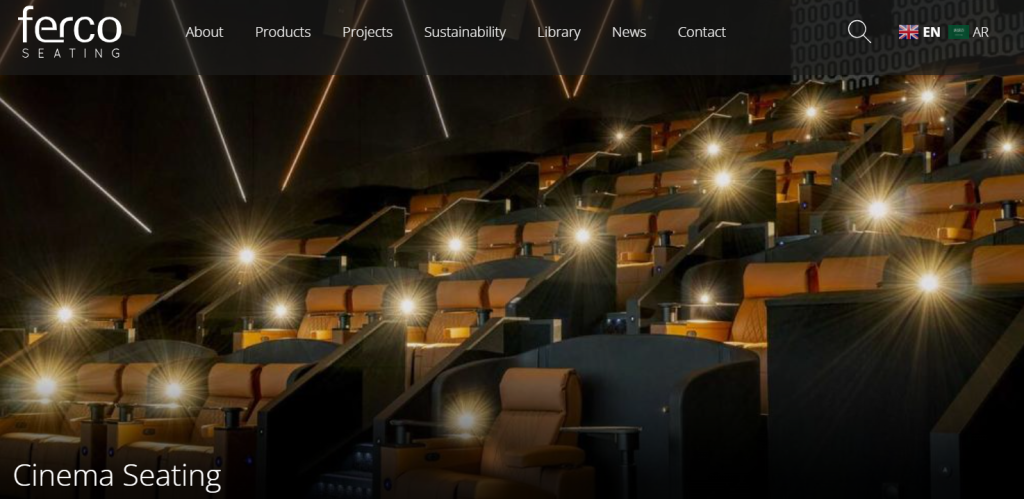
Ferco Seating
KI
To provide a clear overview of how these industry leaders manage their environmental impact, the table below highlights their core sustainable offerings.
2026 Sustainability Comparison Matrix
Brand
Key Products
Sustainable Manufacturing Edge
Best For
Leadcom Seating
Auditorium, Cinema, and Education seating
Vertical integration, FSC wood, and ISO 14001 compliance
Comprehensive eco-projects and high-scale certification
Post-consumer recycled plastic and EPD transparency
Educational institutions with strict waste-reduction goals
Understanding these high-level differences allows for a deeper exploration into the specific manufacturing philosophies of each brand.
Detailed Manufacturing Reviews
1. Leadcom Seating
Leadcom Seating has emerged as the benchmark for sustainable manufacturing in the seating industry by implementing a closed-loop approach to production. Because the company utilizes a vertically integrated business model, they maintain direct control over nearly every aspect of the manufacturing process, from metal fabrication to plastic injection molding. This structure significantly reduces the carbon emissions typically associated with transporting components between third-party suppliers. Their manufacturing facility operates strictly under the ISO 14001 Environmental Management System, ensuring that energy consumption and waste generation are monitored and minimized at every stage.
The brand’s commitment to material integrity is particularly evident in its sourcing of timber. All wood components in their premium auditorium chairs are available with FSC (Forest Stewardship Council) certification, guaranteeing that the materials originate from responsibly managed forests. Furthermore, their products are designed to meet rigorous international standards such as BIFMA and ISO, ensuring that their durable auditorium seating remains functional for decades, thereby reducing the environmental burden of frequent replacements. By focusing on longevity and utilizing high-quality, non-toxic materials that comply with RoHS and REACH standards, they ensure that the seating is safe for both the end-user and the environment.
Pros / Key Features:
Total Resource Control: Vertical integration minimizes the logistical carbon footprint.
FSC Certification: Standardized use of ethically sourced wood materials.
Chemical Compliance: Adherence to RoHS and REACH safety directives for non-toxic components.
Waste Reduction: High-efficiency automated production lines minimize material scrap.
Use Cases:
This manufacturer is the primary choice for government-funded cultural centers, international airports, and sustainable universities where third-party verified environmental compliance is a mandatory requirement.
2. Davis Seating
Davis Seating focuses on the intersection of high-end design and environmental health. Their manufacturing philosophy is built around the “Triple Bottom Line,” which accounts for social and environmental impact alongside financial performance.
They have achieved the SCS Indoor Advantage™ Gold certification for many of their lines, which is one of the most stringent standards for indoor air quality. By utilizing sustainable veneers and high-recycled-content aluminum, Davis ensures that their furniture contributes to LEED and WELL building credits. Their production facility is managed with a focus on zero-waste-to-landfill initiatives, reflecting a deep-seated commitment to circular economy principles.
Pros / Key Features:
Air Quality Leadership: High-tier certification for low chemical emissions.
Sustainable Veneers: Sourcing from renewable forests with low-impact finishes.
Recycled Content: Extensive use of recycled aluminum and steel.
Use Cases:
Ideal for corporate boardrooms and boutique seminar spaces where the visual aesthetic must be matched by a commitment to indoor environmental health.
3. Hussey Seating
Hussey Seating, a long-standing name in the industry, has adapted its manufacturing for 2026 by emphasizing the recyclability of structural materials. Their auditorium and telescopic seating systems are built primarily from steel and aluminum, both of which can be recycled an infinite number of times at the end of the product’s life.
Their manufacturing process includes a robust environmental management plan that tracks energy usage across their facilities. By prioritizing local suppliers for their raw materials, they effectively lower theental management plan that tracks energy usage across their facilities. By prioritizing local suppliersomiz their raw materials, they effectively lowerable “embodied carbon” of their products, making them a strong contender for projects emphasizing regional sustainability.
Pros / Key Features:
End-of-Life Recyclability: Metal-heavy designs that are easily processed at decommissioning.
Local Supply Chain: Reduced transportation emissions through regional material sourcing.
Extreme Durability: Products engineered to last 40+ years in high-traffic environments.
U
4. Skeie
Best suited for public high schools, university stadiums, and multi-purpose community centers requiring long-lasting, recyclable infrastructure.
Skeie brings a Scandinavian approach to the auditorium market, focusing on “circularity by design.” Their manu chair.
This approach significantly extends the productidual components—sts—ai core pillar of modern sustainability. Skeie’s production facilities in Europe follow strict environmental regulations, and they utilize high-density foam and durable textiles that meet Oeko-Tex standards, ensuring they are free from harmful substances.
Pros / Key Features:
Modular Construction: Lowers long-term waste through easy refurbishment.
Nordic Design Standards: High aesthetic value combined with ethical labor and environmental practices.
Chemical Safety: Focus on Oeko-Tex certified fabrics and non-toxic components.
Use Cases:
Recommended for high-end theaters and performing arts centers looking for a minimalist aesthetic and a productntegror O be refreshed every decade rather than replaced.
5. Ferco Seating
Ferco Seating integrates environmental responsibility by focusing on chemical safety and efficient space utilization niture and Meet&Co are excellently positioned to serve the flexible, tech-integrated needs of the modern corporate world.
Frequently Asked Questions (FAQ)
Q1: What is the difference between OEM and ODM in the seating industry?A: OEM (Original Equipment Manufacturer) involves a factory producing a product based on a client’s specific design and specifications. ODM (Original Design Manufacturer) involves the factory designing and manufacturing a product based on a general concept provided by the client, often utilizing the factory’s existing engineering platforms.
Q2: How long is the typical lead time for custom seating manufacturing?A: For large-scale projects, lead times typically range from 8 to 14 weeks. This includes the time required for design finalization, prototyping, mass production, and quality testing.
Q3: Can these manufacturers handle international installation?A: While most top-tier manufacturers like Leadcom Seating offer comprehensive installation guidance or on-site supervision teams globally, some smaller manufacturers may only provide the product, requiring the client to hire local installation contractors. It is crucial to clarify this during the contract phase.
Introduction Moving can be a daunting task, requiring meticulous planning, heavy lifting, and countless decisions. Thankfully, there are professional movers who can make this process