
Many food businesses face a common question: is soy sauce halal? The answer is not always simple, as it depends on how the product is made. For companies looking to serve Muslim consumers, understanding this issue is a key part of their sourcing strategy. This article offers a clear look at what makes soy sauce halal and how businesses can confidently choose a certified supplier.
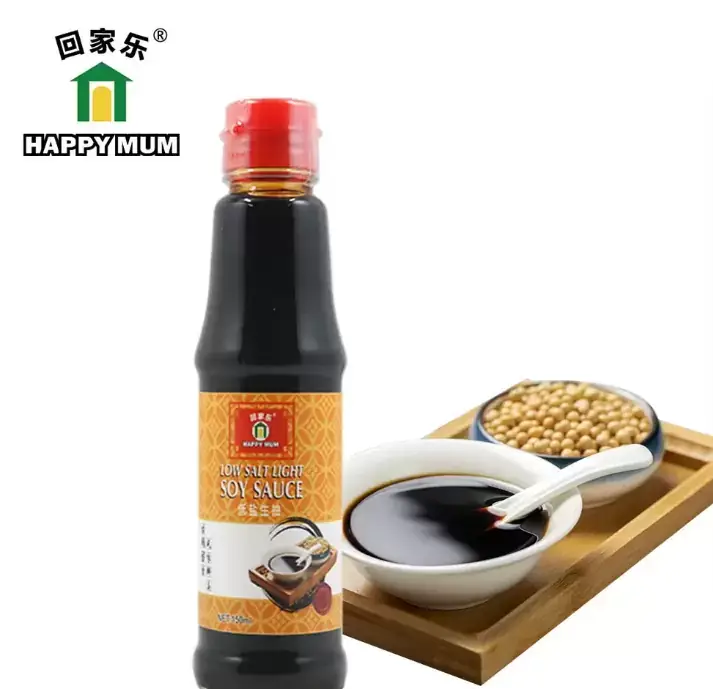
The Core Issue: Fermentation and Alcohol
The main question—is soy sauce halal—centers on its production. Traditional soy sauce involves a fermentation process where a mold called Aspergillus oryzae is added to cooked soybeans, roasted wheat, salt, and water. During the months of fermentation in large vats, a small amount of alcohol naturally forms, typically around 2%. Because alcohol is considered haram (forbidden) in Islam, this has created a concern. However, many Islamic scholars and halal certification bodies state that this tiny, non-intoxicating amount is permissible. For a business, the safest approach is to ignore the debate and source from a supplier with clear certification.
The Importance of Reliable Halal Certification
For B2B buyers, verifying the halal status of ingredients is not just about compliance; it is about building trust with customers. The criteria for food to be considered halal require that it contains no haram ingredients like alcohol or pork, and that all processing equipment is free from contamination with such substances. To ensure a product meets these strict standards, businesses should look for official halal certification logos on packaging. A certified supplier has had their entire manufacturing process reviewed by a recognized organization. This gives buyers the certainty they need to market products to Muslim communities with confidence.
Sourcing with a Trusted Condiment Partner
When it comes to buying wholesale halal-certified soy sauce, choosing the right partner is crucial. JOLION Foods stands out as a reliable condiment supplier for this specific need. They are committed to offering high-quality products that meet global customer requirements. Their state-of-the-art manufacturing processes and experienced team help ensure that their halal-certified soy sauce is produced with consistency and care. For any food business, partnering with a supplier like JOLION Foods simplifies the sourcing process. It provides a direct answer to the question “is soy sauce halal” by offering a product that comes with trusted, third-party certification.
In conclusion, sourcing halal-certified soy sauce is a clear and manageable task when businesses know what to look for. By focusing on certified products from a dependable manufacturer, companies can easily meet the needs of their customers. JOLION Foods provides that reliable solution, allowing businesses to supply a key ingredient with total confidence.