
In today’s dynamic energy landscape, access to reliable and affordable energy is more crucial than ever. As the world shifts toward sustainable practices, the role of residential energy storage systems (RESS) is emerging as a vital component in creating equitable and accessible energy solutions. Residential BESS (Battery Energy Storage Systems) not only facilitate the management of energy in households but also contribute significantly to collective community resilience, paving the way for a greener future.
The Vision of a Sustainable Energy Future
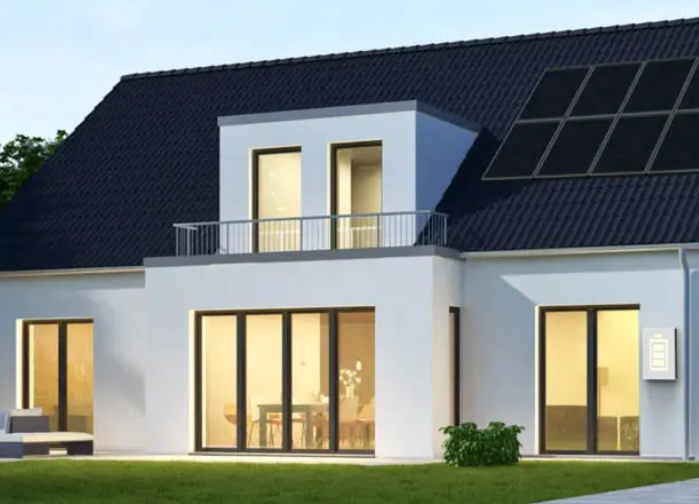
Residential energy storage systems are designed to empower households by allowing them to store excess energy generated from renewable sources such as solar panels. The ability to harness and utilize this energy reflects a progressive shift towards individual energy autonomy. Through residential BESS, homeowners can reduce energy bills and contribute to a sustainable energy grid by providing stored energy during peak demand periods. This decentralized approach enhances energy resilience, especially in areas vulnerable to outages, and fosters a more sustainable lifestyle that aligns with global environmental goals.
Bridging the Energy Gap
Despite the advancements in renewable energy technologies, significant disparities in energy access still exist. Residential energy storage systems hold the potential to bridge this gap by providing communities with the tools needed to manage their energy usage effectively. By lowering dependence on the grid, residential BESS can become a pivotal resource for low-income households, ensuring that energy costs remain manageable and that access to clean energy is equitable. This democratization of energy can stimulate local economies, create jobs, and enhance overall quality of life.
Additionally, integrating residential energy storage with existing renewable sources allows for more efficient energy distribution. Communities can benefit from energy resilience programs that deploy residential BESS, enabling them to function effectively even in grid disturbances. This level of resilience not only enhances the reliability of energy access but also promotes social equity by ensuring everyone, regardless of their income level, can benefit from sustainable energy solutions.
Innovations in Energy Storage Technology
As the demand for residential energy storage systems rises, compelling innovations are emerging to meet those needs. Energy storage integrators are focusing on developing more efficient and affordable residential BESS technologies. These advancements include smarter energy management systems that optimize energy use and storage, ensuring maximum performance while minimizing costs.
Furthermore, the integration of artificial intelligence and IoT devices in residential energy storage systems provides homeowners with real-time data on their energy consumption and generation. By empowering users with actionable insights, these systems enable families to make informed decisions about their energy use, ultimately leading to more sustainable practices. For energy storage integrators and new energy vehicle manufacturers, investing in these technologies can enhance product offerings and drive market growth.
A Future Anchored in Equity and Accessibility
As residential energy storage systems continue to evolve, their societal implications are profound. They not only strengthen the resilience of individual households but also contribute to a collective move toward a sustainable, equitable energy future. In an era where climate change and energy accessibility are pressing global challenges, prioritizing residential BESS can create a more inclusive energy landscape.
As we look to the future, organizations like REPT BATTERO are committed to driving innovation in energy storage solutions. With a focus on customizing residential energy storage systems that cater to diverse market needs, REPT BATTERO is pioneering efforts to ensure that clean energy is not just a privilege for the few, but a right for all, fostering both sustainability and equity in energy access.